 English
  العربية
 Clinical Laboratory Sciences (CLS)
Clinical Laboratory Sciences Specialty is one of the major clinical specialties in the medical system. Clinical/medical laboratory scientists, known as healthcare investigators, have a crucial role in the healthcare sector, they have a deep and extensive knowledge base enabling them to conduct laboratory diagnoses and investigations according to the latest laboratory techniques to provide reliable and valid laboratory results to be used to make diagnoses and treatment plans by physicians. They use sophisticated biomedical equipment, computers, and physically dexterous procedures to perform laboratory tests on blood, tissues, and other biological fluids. Medical laboratory science specialists produce accurate laboratory data needed to help identify infections, diabetes, cancer, heart attacks, infectious mononucleosis, and drugs of abuse.
Clinical Laboratory Sciences include four major disciplines including; clinical microbiology, clinical biochemistry, hematology and blood banking, in addition to histopathology and cytology. The minor disciplines include immunology, medical genetics and molecular diagnostics, in addition to lab management.
Graduates will receive a Bachelor of Science degree in Clinical Laboratory Sciences (CLS), after they successfully complete the four-year study program, in addition to a single-year internship.
We have recently established a thesis track Master’s program in four CLS subspecialties; including Clinical Microbiology, Hematology, Infection Prevention & Control, and Clinical Chemistry, where graduates get their master’s degree after a minimum two years including academic study and thesis project.
We aspire by God to develop a doctoral program in the specializations needed by the labor market.
Chairman
Welcome
I am pleased to extend a warm welcome to you on behalf of the Clinical Laboratory Sciences (CLS) program at Inaya Medical Colleges. Our mission is to support meritorious students in their aspirations to develop into skilled healthcare professionals able to make valuable contributions to the progress and prosperity of our beloved kingdom, while also demonstrating exceptional abilities in leadership, research, and community service.
Students shall be awarded a Bachelor of Science in Clinical Laboratory Sciences (CLS) upon successful completion of a five-year undergraduate program comprising four academic years in addition to an internship year.
Our unique curriculum, skilled academic staff and cutting-edge lab facilities all contribute to develop and equip future laboratory scientists with the knowledge, skills, and mindset required to produce high quality laboratory results that assist physicians to develop the treatment plans for their patients.
Once again, I’m thrilled to welcome our future professionals and scientists at their second home.
Sincere Regards,
Dr. Soheir Hagras
Mission
Our mission is to develop competent clinical laboratory professionals armed with knowledge, professional skills, competencies, and ethical attitude required for their successful career in supporting patient care and disease diagnosis. We also strive to promote innovation in the field of clinical laboratory sciences through scientific research to improve patient outcomes and advance healthcare.
Vision
To achieve excellence and leadership in clinical laboratory sciences education, scientific research, and community service.
Goals
- Developing highly competent and skilled CLS professionals to meet the present and future health care needs of the Kingdom.
- Continuous improvement of the quality of education and clinical practice to qualify personnel capable of keeping up with developments in the field and meeting the needs of the job market.
- Developing students’ professionalism and ethical conduct.
- Promoting research activities through research groups.
- Enhancing scientific publication by faculty and students.
- Empowering the community by providing ongoing healthcare and raising awareness through participation in relevant conferences and community services.
- Maintaining the program accreditation.
- Developing competitive postgraduate educational programs for the CLS graduates.
Values
In consonance with the college’s core values, all decisions and activities within the program are guided by the highest ethical standards. Our values are;
- Respect
- Honesty and Integrity
- Transparency
- Responsibility and accountability
- Leadership
- Excellence
- Teamwork
Study Plan - Credit Hours
Level - 1
| Course Code | Course Name | Theory | Practical | Clinical | Pre-requisites | Co-requisites |
|---|---|---|---|---|---|---|
| BIOS 101 | Biostatistics | 2 | 0 | 0 | - | - |
| COMM 101 | Communication Skills | 1 | 0 | 0 | - | - |
| ORI 000 | Orientation | 0 | 0 | 0 | - | - |
| ISLM 105 | Medical Jurisprudence | 2 | 0 | 0 | - | - |
| COMP 101 | Computer for Health Sciences | 1 | 1 | 0 | - | - |
| ARAB 101 | Arabic Language | 2 | 0 | 0 | - | - |
| ENGL 101 | English Language (1) | 4 | 4 | 0 | - | - |
Level - 2
| Course Code | Course Name | Theory | Practical | Clinical | Pre-requisites | Co-requisites |
|---|---|---|---|---|---|---|
| BIOL 101 | Biology | 2 | 1 | 0 | - | - |
| ETH 101 | Ethics In Health Care | 1 | 0 | 0 | - | - |
| PHYS 101 | General Physics | 2 | 1 | 0 | - | - |
| CHEM 101 | Introduction To Chemistry | 2 | 1 | 0 | - | - |
| ENGL 102 | English Language (I I) | 2 | 2 | 0 | - | - |
| ENGL 105 | Medical Terminology | 3 | 0 | 0 | - | - |
Level - 3
| Course Code | Course Name | Theory | Practical | Clinical | Pre-requisites | Co-requisites |
|---|---|---|---|---|---|---|
| ISLM 106 | Family in Islam | 2 | 0 | 0 | - | - |
| BMS 234 | Medical Ethics | 2 | 0 | 0 | COMM 101 ETH 101 | - |
| CLS 221 | Anatomy And Physiology | 4 | 0 | 0 | ENGL 105 PHYS 101 BIOL 101 | - |
| CLS 222 | Descriptive Histology | 2 | 1 | 0 | BIOL 101 | - |
| CLS 231 | Clinical Analytical Chemistry | 2 | 1 | 0 | ENGL 102 BIOS 101 CHEM 101 | - |
| CLS 232 | Organic Chemistry For Medical Students | 3 | 0 | 0 | - | - |
Level - 4
| Course Code | Course Name | Theory | Practical | Clinical | Pre-requisites | Co-requisites |
|---|---|---|---|---|---|---|
| ISLM 107 | Economic System in Islam | 2 | 0 | 0 | - | - |
| ARAB 103 | Writing In Arabic Language | 2 | 0 | 0 | ARAB 101 | - |
| CLS 233 | Basic Biochemistry | 3 | 1 | 0 | CLS 231 CLS 232 | - |
| CLS 241 | General Hematology | 2 | 1 | 0 | - | - |
| CLS 311 | Basic Microbiology | 3 | 1 | 0 | CLS 221 | - |
| CLS 322 | Histology Techniques | 1 | 1 | 0 | - | - |
Level - 5
| Course Code | Course Name | Theory | Practical | Clinical | Pre-requisites | Co-requisites |
|---|---|---|---|---|---|---|
| ISLM 108 | Human Rights | 2 | 0 | 0 | - | - |
| CLS 243 | Emergency Care | 1 | 1 | 0 | CLS 221 | - |
| CLS 312 | Clinical Mycology | 2 | 1 | 0 | - | - |
| CLS 321 | General Pathology | 2 | 1 | 0 | CLS 221 CLS 322 | - |
| CLS 331 | Cellular Biochemistry And Metabolism(I) | 2 | 1 | 0 | CLS 233 | - |
| CLS 332 | Biochemical Instrumental Analysis | 3 | 1 | 0 | CLS 233 | - |
Level - 6
| Course Code | Course Name | Theory | Practical | Clinical | Pre-requisites | Co-requisites |
|---|---|---|---|---|---|---|
| CLS 333 | Cellular Biochemistry And Metabolism(II) | 2 | 1 | 0 | - | - |
| CLS 411 | Clinical Bacteriology(I) | 2 | 1 | 0 | CLS 311 | - |
| CLS 412 | Medical Parasitology | 2 | 1 | 0 | CLS 311 | - |
| CLS 413 | Virology | 2 | 0 | 0 | CLS 311 | - |
| CLS 421 | Pathophysiology | 2 | 1 | 0 | - | - |
| CLS 422 | Cytopathology | 1 | 1 | 0 | - | - |
Level - 7
| Course Code | Course Name | Theory | Practical | Clinical | Pre-requisites | Co-requisites |
|---|---|---|---|---|---|---|
| CLS 334 | Clinical Diagnostic Biochemistry | 3 | 1 | 0 | - | - |
| CLS 414 | Clinical Bacteriology(II) | 2 | 1 | 0 | - | - |
| CLS 415 | Immunology | 2 | 1 | 0 | CLS 241 | - |
| CLS 431 | Urinalysis & Body Fluids | 2 | 1 | 0 | CLS 333 | - |
| CLS 441 | Immunohematology | 2 | 1 | 0 | CLS 241 | - |
Level - 8
| Course Code | Course Name | Theory | Practical | Clinical | Pre-requisites | Co-requisites |
|---|---|---|---|---|---|---|
| CLS 417 | Microbiology Clinical Practice | 1 | 0 | 2 | CLS 414 | - |
| CLS 432 | Biochemistry Clinical Practice | 1 | 0 | 2 | CLS 433 CLS 334 | - |
| CLS 433 | Clinical Enzymology | 1 | 1 | 0 | CLS 334 CLS 432 | - |
| CLS 442 | Hematology Clinical Practice | 1 | 0 | 2 | CLS 441 | - |
| CLS 451 | Medical Genetics And Molecular Diagnostics | 3 | 1 | 0 | CLS 334 | - |
| CLS 452 | Laboratory Management | 2 | 0 | 0 | CLS 334 | - |
Program Learning Outcomes (PLO's)
| Knowledge & understanding | |
| K1 | Demonstrate understanding of concepts, skills, theories and principles of clinical laboratory sciences that support their practice. |
| K2 | Describe advanced techniques and operational instructions of sophisticated clinical laboratories equipment. |
| K3 | Show comprehension of the core aspects in laboratory methodologies to recognize proper test selection, causes of discrepant test results, and correlation of abnormal data with physiological or pathologic conditions. |
| Skills | |
| S1 | Apply different quality control practices in the clinical lab to ensure delivery of reliable results with precision, accuracy and confidence in performing Lab tests. |
| S2 | Apply proper procedures for collection, safe handling, and analysis of biological specimens effectively. |
| S3 | Demonstrate critical thinking skills to analyze and interpret microbiological, biochemical, hematological and histopathological laboratory results to help diagnose diseases. |
| S4 | Communicate effectively both orally and in writing in the academic and/or professional settings, and effectively use technology to perform different activities. |
| Values, Autonomy & Responsibility | |
| V1 | Manage the tasks and activities related to laboratory procedures independently and professionally. |
| V2 | Demonstrate leadership, teamwork skills, and ethical attitude when dealing with classmates, medical staff, and patients. |
| V3 | Utilize discipline-specific knowledge and skills to engage in activities that directly benefit the University and/or the civic community. |
Graduate Attributes
- Basic technical skills Graduates have the skills required for efficient and accurate performance of laboratory investigations, interpretation and analysis of lab results.
- Critical thinking and problem-solving skills Graduates are skilled in making evidence-based decisions and problem-solving using their knowledge and expertise to address challenges and find innovative solutions to ensure the reliability and validity of laboratory results.
- Communication skills Graduates have excellent communication skills that enable them to effectively convey information and lab results to healthcare professionals, colleagues, and patients. They can explain complex scientific concepts in a clear and concise way, ensuring proper understanding and collaboration within the healthcare team.
- Teamwork Skills Graduates understand the importance of teamwork and are able to contribute their expertise towards a common goal of delivering quality patient care. They are able to effectively communicate and collaborate with physicians, nurses, and other healthcare professionals to deliver accurate and timely laboratory results.
- Ethical and Professional Behaviour Graduates understand the importance of professionalism and exhibit a strong sense of responsibility and accountability. They respect patients’ confidentiality, maintain integrity in their all practices, and ensure compliance with regulatory guidelines and standards.
- Self-Learning and Professional Development skills: Graduates demonstrate commitment to lifelong learning and professional development to keep updated with the latest advancements in laboratory sciences.
Laboratories
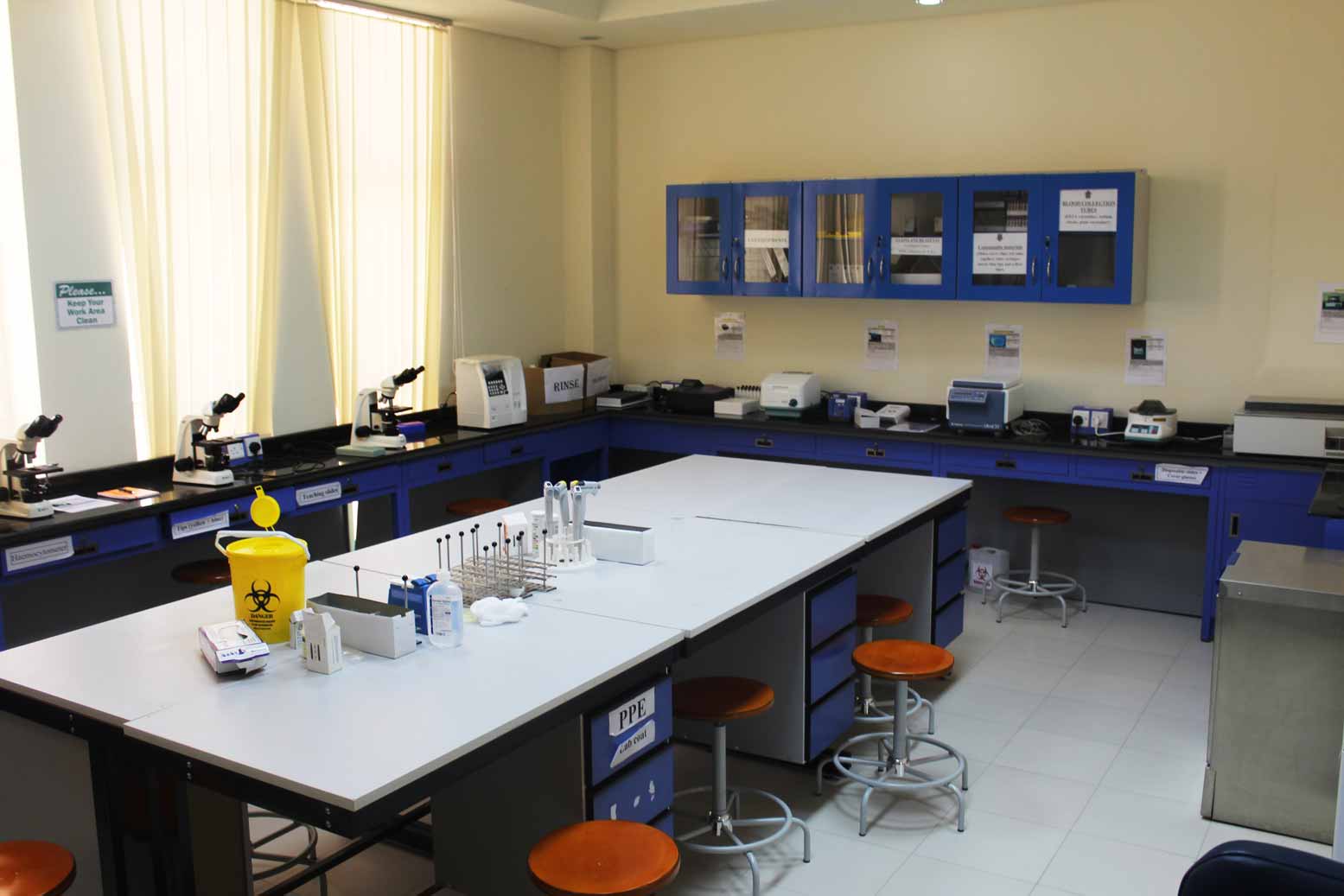
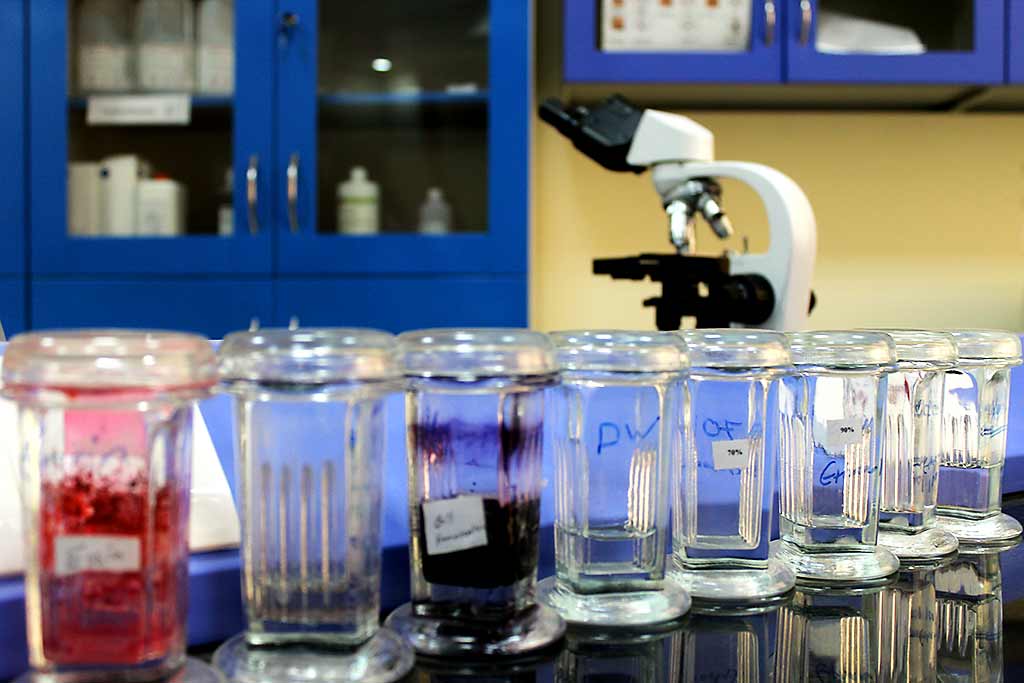
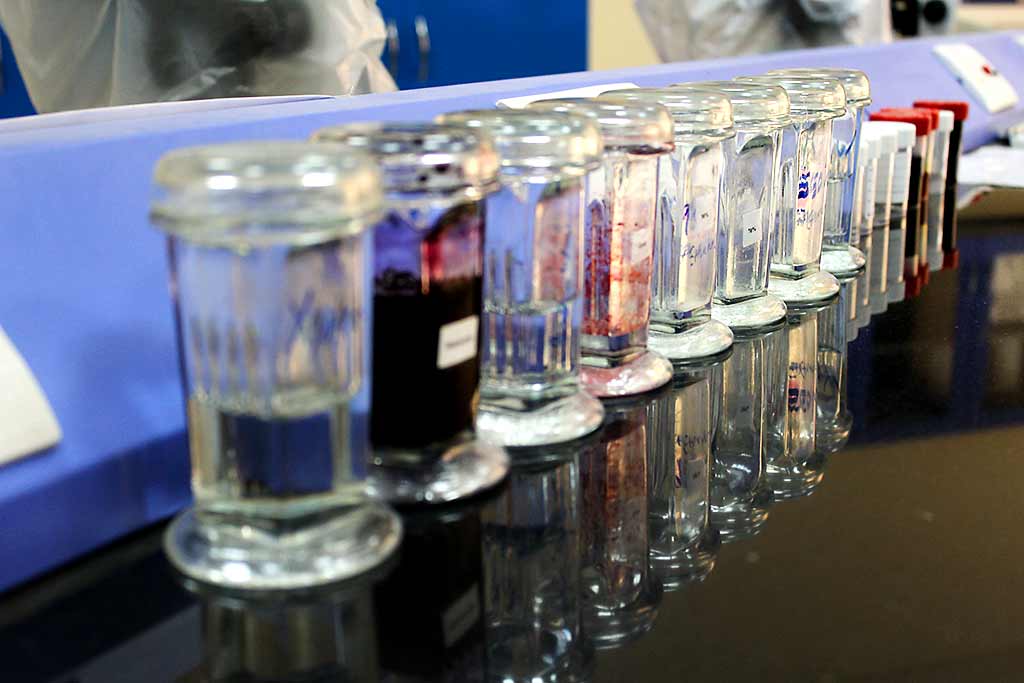
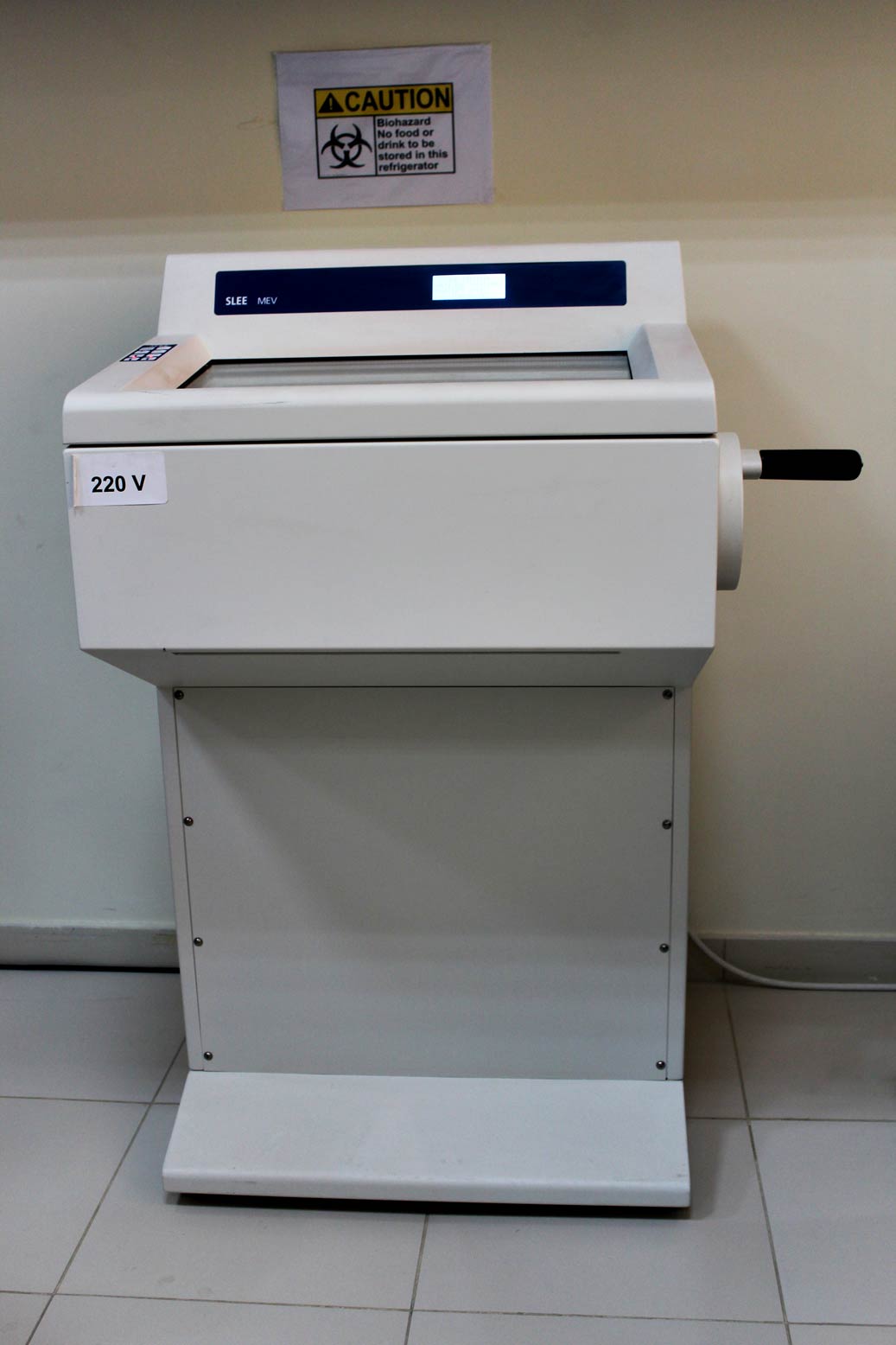
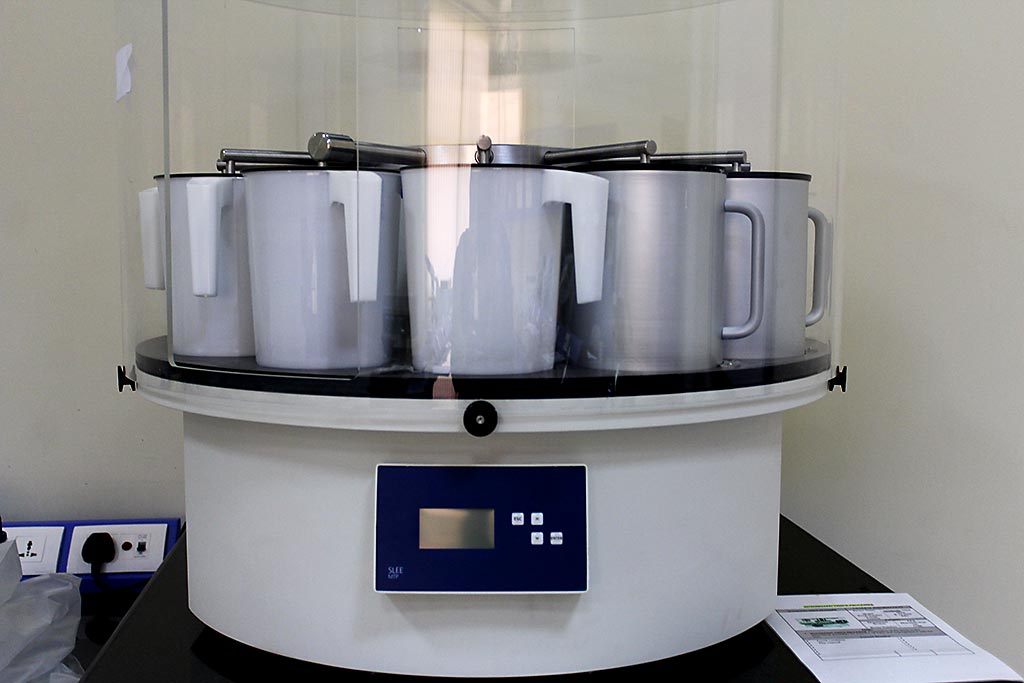
The CLS Laboratory Services is responsible for conducting laboratory diagnoses and investigations; according to the latest laboratory techniques; to provide the essential information used to help diagnoses, plan treatment and monitor the health. Clinical Laboratory Sciences laboratories include different disciplines divided into four major Laboratories; which are medical microbiology, clinical Biochemistry, Hematology and blood transfusions, Histology and pathology.
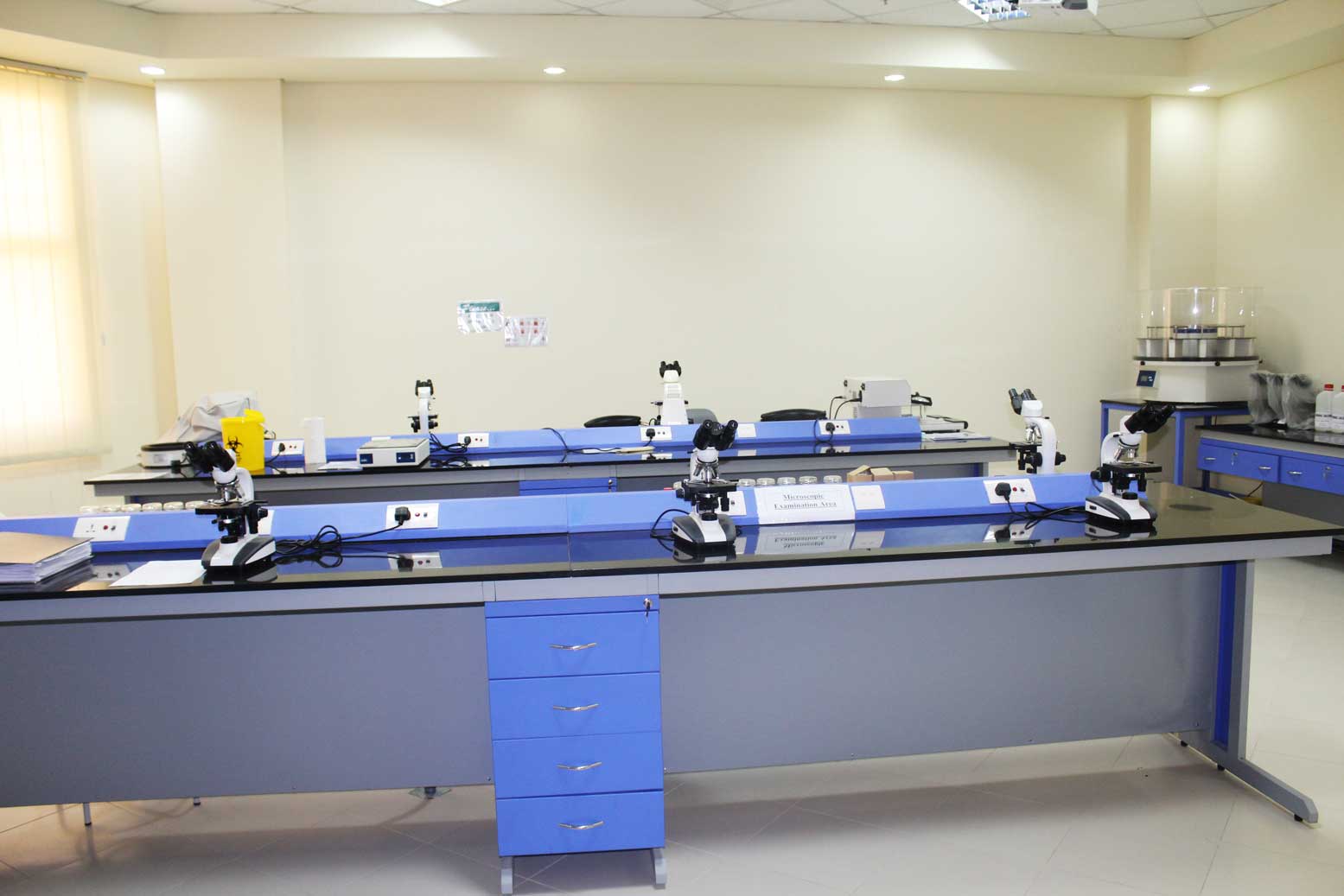
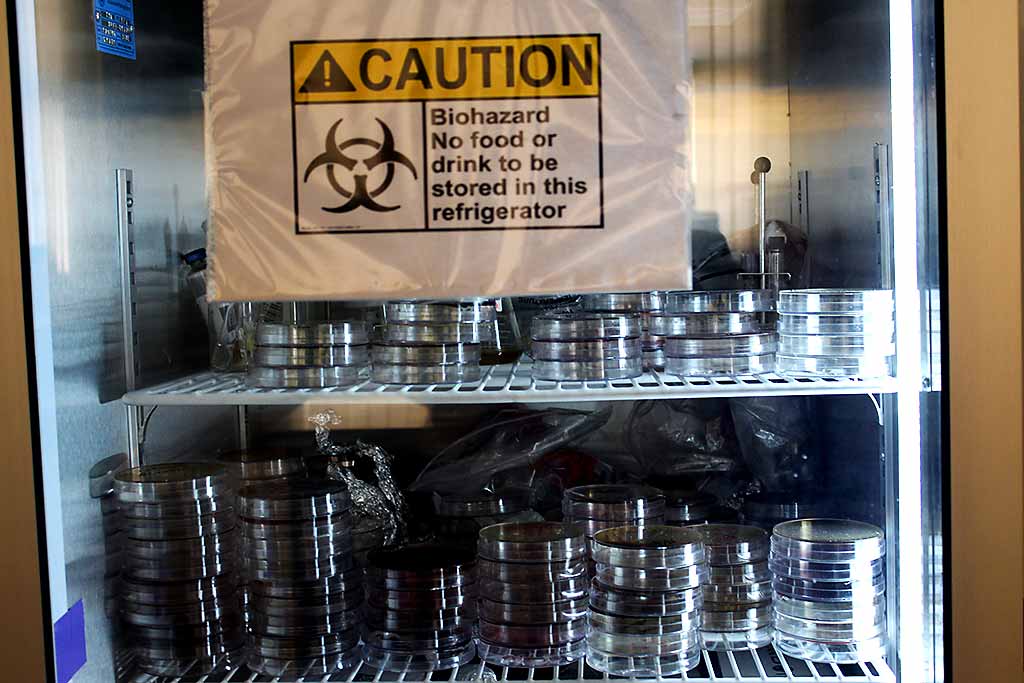
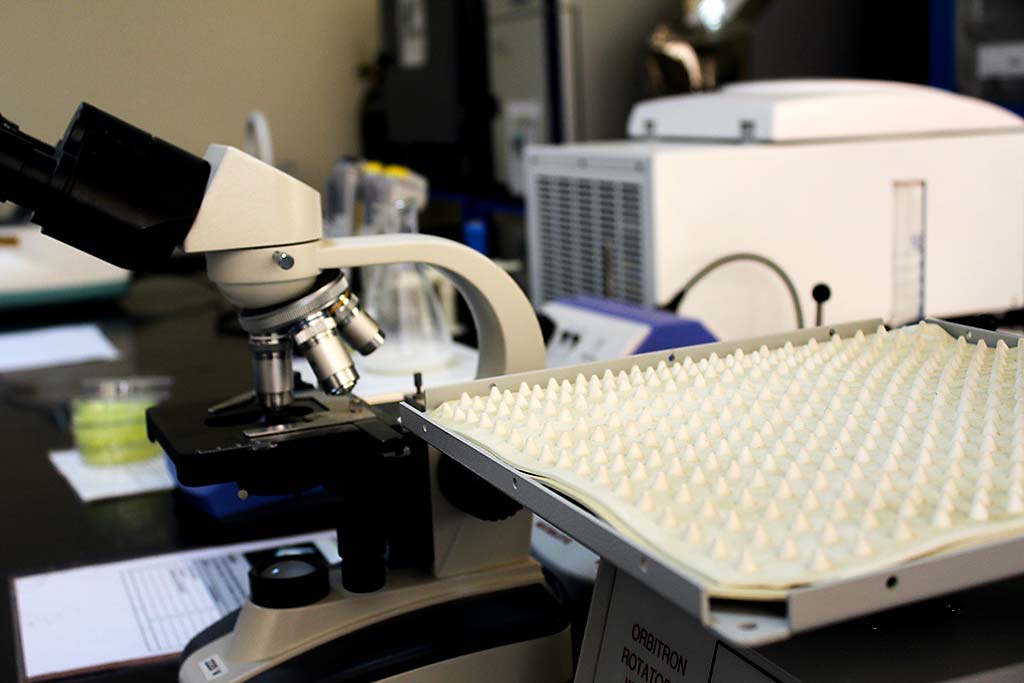
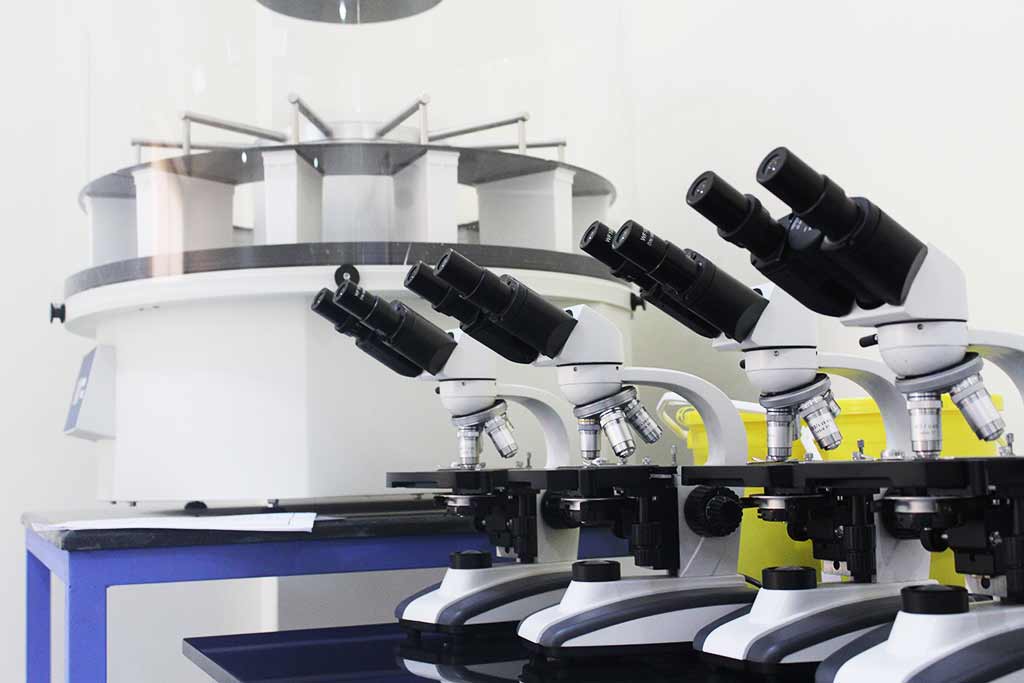
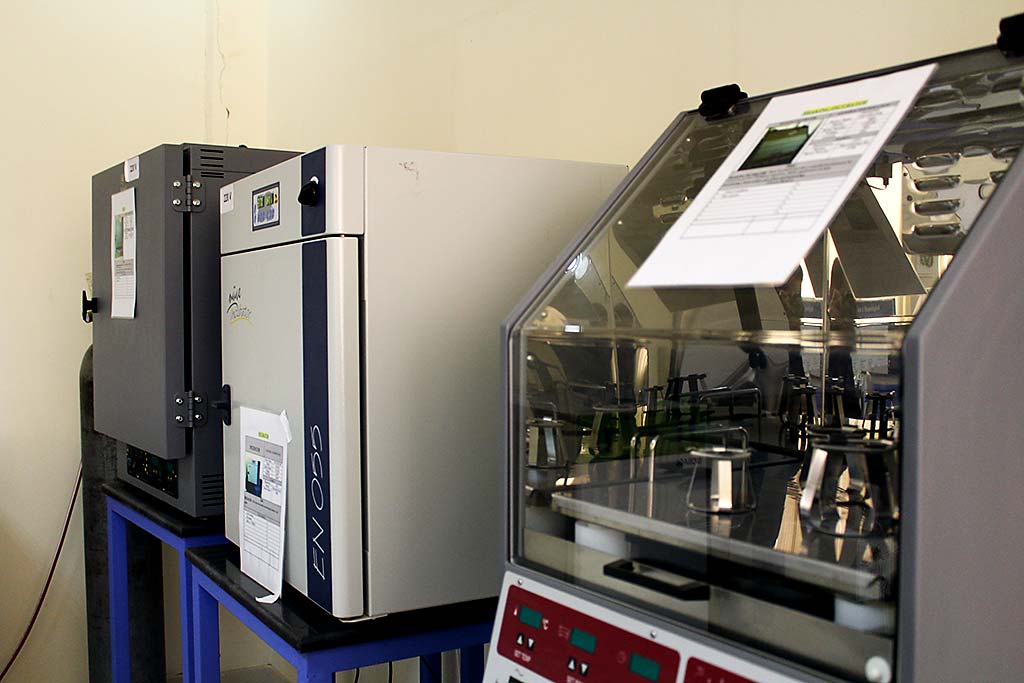
The CLS laboratories contain high quality laboratory equipment and laboratory supplies (lab ware including glassware, microscopes, colorimeters, balances, scales, analytical scientific instruments, Biosafety cabinets, Incubator, and all Personal Protective Equipment’s (PPE) to control infections hazards and to cover all the CLS courses.
The CLS laboratories can accommodate up to 20 students at once, furnished with comfortable student’s chairs, data show, AC control unit, and Medical sink.